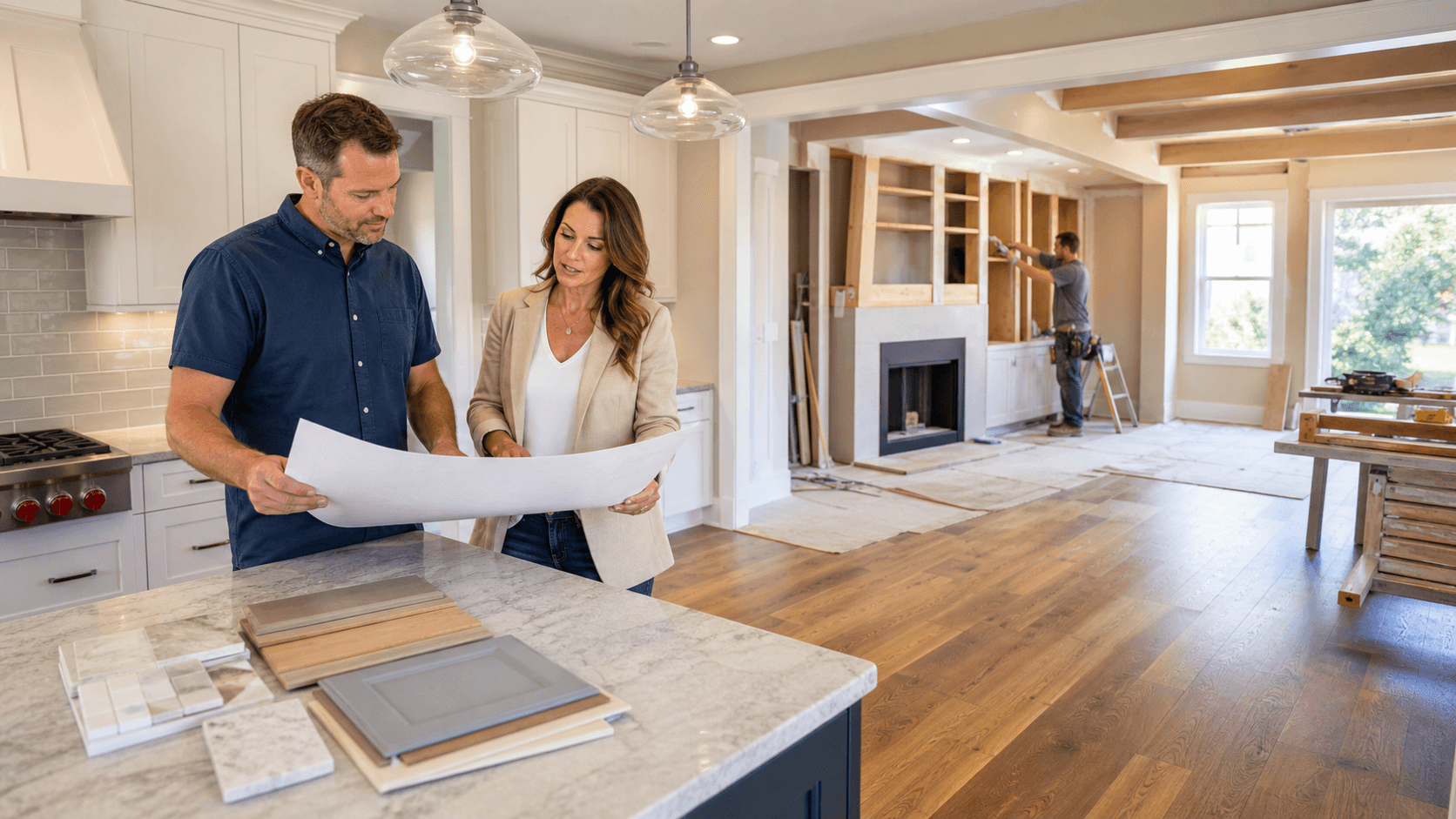
An interior home remodel usually means changing something inside your home that affects how you live day to day. It can be a full kitchen upgrade, a better bathroom setup, or even just fresh floors and lighting. It's more than paint or decoration. It's about making your space work better for how you live in it.
Spring is when many homeowners in Northern Virginia start thinking seriously about these projects. The weather is steady, the days feel longer, and the summer rush hasn't hit yet. It's a good time to look around and think, "What inside my home could work better?" That question is the heart of every interior home remodel.
Understanding What Interior Remodeling Includes
Interior remodeling usually happens inside your walls, with updates that affect your comfort, how the house feels, or how you use certain spaces. These are the projects that shape the daily experience of living in your home.
Kitchens and bathrooms are the most obvious. They're used every day, and even small changes make a difference.
Flooring updates, like switching from carpet to hardwood or tile, fall into this category too.
Things like drywall repair, new room layouts, lighting rewires, and insulation work also count.
Some homeowners wonder where the line is between interior and exterior work. Roofing, new siding, patios, and landscaping fall outside the interior category. Though they bring different benefits, they don't affect the day-to-day feel of your living space the same way. An interior remodel leans more into comfort, storage, layout, and use of natural light and airflow inside your walls.
Rooms that Often Lead the List
Certain rooms seem to always rise to the top of the remodeling list, and for good reason.
- Kitchens are often first because they're the center of the home. Upgrades might include new cabinets, reworking island space, or better lighting and storage.
- Bathrooms are next. Over time, fixtures get harder to keep clean, layouts stop making sense, and a refresh makes a big impact.
- Basements in Northern Virginia often get attention in spring. Homeowners want usable space before summer gets busy, and finishing a basement is a great way to add square footage without an addition.
Each room has its own reasons for being remodeled. But the common threads are better use, easier upkeep, and a space that fits your actual needs, not just the original design.
Updates That Count Even If They Seem Small
Interior remodeling doesn't always mean gutting a room. A lot of changes that count as remodeling are smaller, more focused upgrades.
- Swapping cabinet doors or drawer pulls can freshen up a whole kitchen without tearing anything out.
- Changing out overhead lights for recessed lighting, or adding dimmers and new switches, helps a room feel more current and work better for different times of day.
- Utility areas like laundry rooms can get mini-makeovers that improve function. Think better storage, new counters, or moving plumbing slightly to make space for new machines.
Even without big construction, these kinds of projects are part of what we call interior remodeling. They improve how a space feels and how well it works.
When a Redesign Becomes a Remodel
There's a tipping point between redecorating and remodeling, and it helps to know when you've crossed it.
- Rearranging furniture or adding a new rug is redecoration. Painting some trim or putting up curtains is too.
- But when you remove or build walls, reroute plumbing, change the layout, or rewire outlets, you're remodeling.
- Some spring projects, like converting a little-used den into a home office, start small and grow. Needing more outlets, better light, or a custom desk might nudge the project into remodeling territory.
The minute your updates affect how the home is built or wired, it's time to treat the job as a remodel. That brings different planning needs, probably permits, and definitely more decisions. But it also helps you build a space that truly works the way you want it to.
Changes That Reflect Seasonal Shifts in Northern Virginia
Spring is the start of fresh air, open windows, and more daylight. Many remodel plans meet that moment.
- If a space feels dark or stuffy during warmer months, now's a good time to add larger windows or rework airflow.
- Upgrades that help with cooling, like ceiling fans, reflective blinds, or new window treatments, are ideal before summer kicks in.
- April and May are often considered the shoulder season. That means it's warm enough to work but not yet booked out like summer. Planning ahead gives you a smoother experience and better timeline control.
Taking stock now means fewer headaches later when the outdoor heat arrives and schedules tighten.
What Matters Most When Planning Changes for Inside
Most of all, an interior home remodel should make your home more livable over time. That might mean better flow in a cramped kitchen, storage where you've never had enough, or a room that finally meets your family's needs.
We always suggest starting with how you actually use each room.
- Where do you spend the most time?
- What slows you down or stresses you out in those spaces?
- What do you want to feel when you walk into the room?
When you plan updates based on how you live now, not how the home was originally set up, you'll end up with results that feel both practical and personal. That's the goal of every good remodel: a space that supports your everyday life without getting in the way.
We Remodel offers kitchen and bathroom remodeling, basement finishing, insulation, lighting upgrades, drywall repair, and custom layouts for homes in Northern Virginia. Spring is the perfect season in Northern Virginia to refresh your home and make it work better for your lifestyle. Whether you want to improve your layout, add smart storage, or bring in more natural light, updated spaces can make daily life easier and more enjoyable. If your plans include a kitchen, bathroom, or basement upgrade, your project will likely fall under an interior home remodel. Contact We Remodel today to start the conversation about your home's potential.